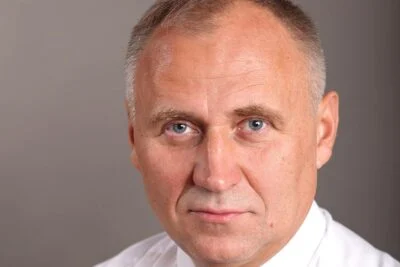
User1963, Public domain, Wikimedia Commons



In 2025, political prisoners in Belarus continue to represent a chilling symbol of state repression under Alexander Lukashenko’s authoritarian regime. From human rights defenders to students, artists, journalists, and ordinary citizens, thousands have been detained simply for expressing dissent. While the global spotlight has shifted to other conflicts, Belarus quietly intensifies its crackdown — behind closed doors and beyond headlines.
This article offers a comprehensive overview of the current state of political imprisonment in Belarus, its legal mechanisms, major figures behind bars, and how the international community is responding.
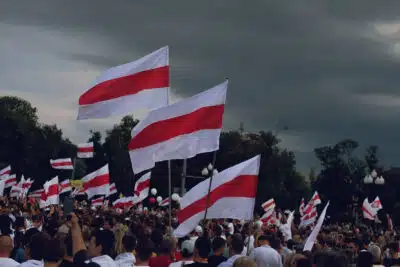
A political prisoner in Belarus is typically someone detained or imprisoned for political motives — often without fair trial, access to legal defence, or even public acknowledgment. Human rights groups such as Viasna, Human Rights Watch, and Amnesty International have reported widespread misuse of laws to criminalize peaceful protest, social media posts, and even the display of historical Belarusian flags.
Key patterns of repression include:
As of July 2025, the Belarusian Human Rights Centre Viasna has confirmed over 1,600 political prisoners, though the real number may be higher due to limited transparency.
📊 Estimated breakdown:
These figures place Belarus among the top repressive regimes in Europe by number of political prisoners per capita.
Sentenced to 11 years for organizing protests and “plotting to seize power.” Known for tearing up her passport to avoid forced deportation.
Currently serving a 10-year sentence under bogus charges of tax evasion and “financing group activities.”
Arrested for his Telegram channel; reportedly attempted suicide in prison following extended solitary confinement.
These cases reveal a pattern: the government targets anyone with visibility or potential to inspire resistance.
The Belarusian government uses the legal system as a tool of intimidation. Laws around extremism, treason, and disrupting public order have been broadly expanded in recent years.
📌 New laws in 2023–2024:
These laws create a climate of fear, ensuring that even silent opposition carries risk.
Prison conditions for political prisoners in Belarus are harsh and often inhumane:
Former inmates have reported beatings, psychological torture, and even forced labour.
“Belarusian prisons have become a modern gulag for dissenters.” — former detainee via Viasna
While the EU, USA, and human rights bodies have condemned the arrests, meaningful consequences remain limited. Sanctions have been issued, but critics argue they’ve had little deterrent effect.
However, Russia’s backing of Lukashenko shields him from isolation, allowing the repressions to continue largely unchecked.
Despite the risks, resistance continues inside and outside Belarus:
In 2025, silence remains the regime’s tool, but voices continue to rise — even from prison.
 English
Keep reading